

The Complete Guide to Resurfacing Old Concrete with Epoxy in Singapore
If you are looking at a stained, cracked, or deteriorating concrete floor in your warehouse, factory, or commercial facility, you’re likely wondering: Can epoxy flooring be installed over existing concrete?
The short answer: Yes, absolutely – but only when it’s done correctly.
At Asset Protection Services, one of the most frequent questions we receive from facility managers and property owners across Singapore concerns the viability of applying epoxy coatings over aged or damaged concrete slabs. The good news is that epoxy systems can dramatically transform and protect old concrete surfaces. However, success depends entirely on proper assessment, preparation, and installation techniques.
In this comprehensive guide, we will explain:
- When epoxy is suitable for existing concrete
- Warning signs that indicate potential problems
- The professional preparation process required
- What you can expect from a properly installed epoxy system
- How long your new floor will last
Whether you’re managing an industrial facility, planning a commercial renovation, or overseeing a warehouse upgrade, here’s everything you need to know about installing epoxy over existing concrete.
Why Epoxy Is an Excellent Solution for Old Concrete
Epoxy resin flooring offers far more than aesthetic improvement – it provides structural protection and functional enhancement for ageing concrete substrates.
1. Creates a Protective Barrier
Old concrete is inherently porous, which means it readily absorbs oils, chemicals, water, and contaminants. This absorption accelerates deterioration through staining, cracking, and structural weakening. A professionally applied epoxy coating seals the surface with a non-porous, chemical-resistant barrier that protects against:
- Hydraulic oils and lubricants
- Cleaning chemicals and solvents
- Water ingress and moisture damage
- Tyre marks and abrasion
2. Conceals Surface Imperfections
Minor cracks, discolouration, surface pitting, and wear patterns can all be addressed or concealed beneath a new epoxy coating. With options including solid colours, decorative flakes, or metallic finishes, you can completely transform even heavily aged concrete slabs.
3. Strengthens the Existing Substrate
Epoxy forms a strong chemical bond with properly prepared concrete, creating a hardened wearing surface that withstands heavy traffic, impact loads, and mechanical stress. Rather than expensive concrete replacement, epoxy installation offers a cost-effective method to extend your floor’s service life by decades.
4. Improves Facility Operations
Beyond protection and aesthetics, epoxy flooring enhances operational efficiency through:
- Improved light reflectivity
- Easy cleaning and maintenance
- Eliminate dust generation
- Clear demarcation for safety zones and traffic routes
When Epoxy Cannot Be Applied to Existing Concrete
Whilst epoxy is suitable for most concrete substrates, certain conditions require remediation before installation or may preclude epoxy as a solution.
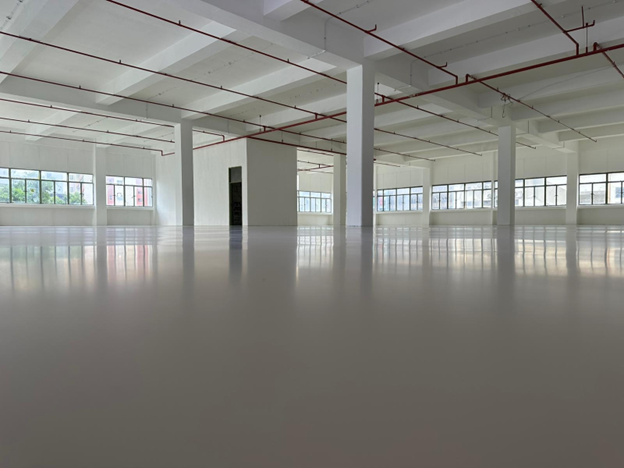
Excessive Moisture Issues
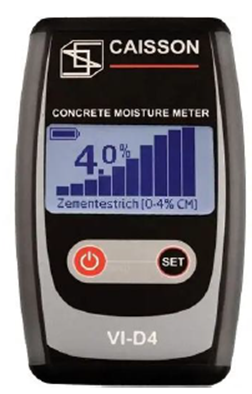
Moisture vapour transmission (MVT) from beneath the slab – known as hydrostatic pressure – can cause epoxy coatings to delaminate, bubble, or peel. Before any installation, Asset Protection Services conducts thorough moisture testing using calibrated instruments. If moisture levels exceed acceptable thresholds (>4%) we may recommend:
- Moisture vapour barrier systems
- Specialised moisture-tolerant primers
- Alternative flooring solutions
- Remediation of underlying drainage issues
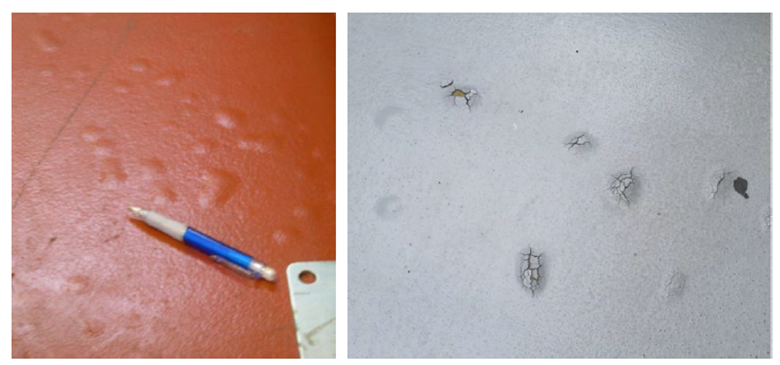
Failure to do so may result in issues such as blistering and coating delamination.
Structurally Compromised Concrete
If your concrete exhibits severe deterioration, extensive spalling, or structural failure, epoxy alone cannot resolve these issues. In such cases, we typically recommend:
- Professional concrete repairs before coating
- Resurfacing with cementitious overlays
- Complete slab replacement in extreme cases
Heavily Contaminated Surfaces
Oil-saturated concrete (common in older manufacturing facilities and automotive workshops) can prevent proper epoxy adhesion. However, this is often resolvable through extensive preparation including:
- Industrial degreasing treatments
- Diamond grinding to remove contaminated surface layers
- Chemical stripping of embedded contaminants
Active Movement Joints
Expansion joints, control joints, or areas subject to substrate movement require special treatment. Rigid epoxy systems cannot accommodate significant movement, so we incorporate flexible joint treatments and appropriate detailing.
The Professional Preparation Process for Existing Concrete
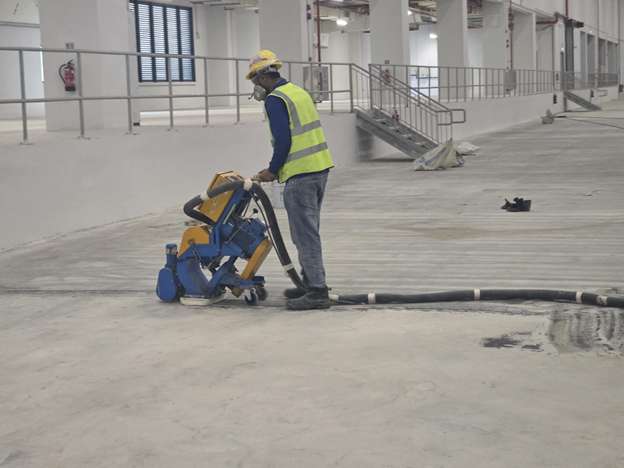
Success with epoxy over old concrete is 90% preparation and 10% application. Here’s how Asset Protection Services ensures durable, long-lasting results:
Stage 1: Comprehensive Assessment
Every project begins with thorough substrate evaluation:
- Visual inspection for cracks, spalling, delamination, and surface defects
- Moisture testing using calcium chloride tests or relative humidity probes
- Contamination assessment to identify oils, chemicals, or existing coatings
- Concrete strength testing to verify adequate substrate integrity
- Surface profile analysis to determine preparation requirements
Stage 2: Surface Preparation
This critical stage typically involves:
Crack Repair All cracks are assessed and treated according to their severity:
- Hairline cracks: Filled with low-viscosity epoxy injection
- Active cracks: Routed and filled with flexible polyurea
- Structural cracks: Repaired using epoxy injection or routing and sealing
Removal of Existing Coatings Any previous paint, sealers, or failing coatings must be completely removed through:
- Diamond grinding
- Shot blasting
- Mechanical scarification
- Chemical stripping (when necessary)
Concrete Grinding or Shot Blasting We mechanically prepare the entire surface using industrial equipment to:
- Remove laitance (weak surface layer)
- Open concrete pores for optimal adhesion
- Achieve the required surface profile (typically CSP 2-3)
- Eliminate all contamination
Repair of Surface Defects All spalling, pitting, and surface irregularities are filled using:
- High-strength epoxy mortars
- Cementitious repair compounds
- Polymer-modified patching materials
Thorough Cleaning Final cleaning removes all dust, debris, and residues using:
- Industrial vacuum systems
- Compressed air blow-off
- Solvent wiping (when required)
Stage 3: Epoxy System Application
Once preparation is complete, we apply the specified epoxy system:
Primer Application A specialised primer is applied to:
- Seal the concrete surface
- Enhance adhesion
- Block any residual moisture vapour
- Provide a stable foundation
Base Coat Installation Depending on the system specification, we apply:
- Standard epoxy base coats (typically 300-500 microns DFT)
- Self-levelling epoxy systems (2-3mm thickness)
- High-build epoxy mortars (3-6mm thickness)
- Decorative systems with colour flakes or quartz
Topcoat Application A final protective layer provides:
- Chemical resistance
- Abrasion protection
- UV stability
- Easy-clean properties
- Desired aesthetic finish
Asset Protection Services is an approved applicator for premium materials from Ardex, Laticrete, Mapei, Nippon Paint and Sika ensuring you receive internationally recognised, high-performance systems.
Common Applications for Epoxy Over Existing Concrete
Industrial Facilities
Manufacturing plants, assembly areas, and production floors benefit from chemical resistance, impact protection, and easy maintenance.
Warehouses and Distribution Centres
Heavy forklift traffic, pallet storage zones, and logistics operations demand durable, abrasion-resistant flooring.
Commercial Spaces
Retail areas, showrooms, and shopping centres can achieve attractive, easy-clean surfaces that withstand high foot traffic.
Food and Beverage Facilities
Hygiene-critical environments require seamless, non-porous surfaces that resist bacteria growth and facilitate thorough cleaning.
Automotive Workshops
Service bays, repair areas, and vehicle showrooms benefit from oil-resistant, durable flooring that maintains appearance despite heavy use.
Pharmaceutical and Healthcare
Cleanroom requirements and strict hygiene standards are met through seamless, chemical-resistant epoxy systems.
How Long Will Epoxy Last on Old Concrete?
When professionally installed over properly prepared existing concrete, high-quality epoxy flooring systems typically deliver:
- Around 5-10 years in heavy industrial environments
- Approximately 10-20 years in commercial applications
- 20+ years in light-use or residential settings (with proper maintenance)
Service life depends on several factors:
- Quality of surface preparation
- Specification of the epoxy system
- Traffic intensity and usage patterns
- Maintenance regime
- Chemical exposure levels
Regular maintenance and periodic recoating can extend service life significantly. Asset Protection Services offers comprehensive maintenance programmes to maximise your investment.
Critical Success Factors
1. Professional Assessment
Never skip the evaluation stage. Professional testing identifies potential problems before installation, not after failure.
2. Proper Surface Preparation
The concrete surface must be clean, dry, sound, and properly profiled. Shortcuts in preparation guarantee premature failure.
3. Quality Materials
Specify epoxy systems from reputable manufacturers like Mapei, Sika, or Flowcrete. Budget materials cannot deliver long-term performance.
4. Experienced Installation
Complex preparation and precision application require skilled technicians with proven track records. Asset Protection Services’ BizSafe certification and decade of experience ensure quality outcomes.
5. Environmental Control
Temperature, humidity, and substrate conditions must be within specification during installation. Professional contractors monitor and control these variables.
Why Choose Professional Installation?
Whilst DIY epoxy kits are readily available, they rarely deliver satisfactory results over existing commercial concrete:
- Limited durability: Consumer-grade products lack the performance characteristics of professional systems
- Inadequate preparation: Proper grinding equipment costs tens of thousands of dollars
- No testing: Moisture and contamination issues aren’t identified until failure occurs
- Poor adhesion: Insufficient surface profile results in delamination
- No warranty: DIY installations have no performance guarantee
Professional installation through Asset Protection Services includes:
- Comprehensive substrate testing and assessment
- Industrial preparation equipment and techniques
- Premium epoxy systems from leading manufacturers
- Skilled application by trained technicians
- Performance warranties and maintenance support
Transform Your Old Concrete Floor with Asset Protection Services
If your existing concrete floor shows signs of deterioration, contamination, or wear, epoxy flooring offers an outstanding upgrade path. However, success demands professional assessment, thorough preparation, and expert installation.
Asset Protection Services has specialised in industrial and commercial epoxy flooring since 2011, serving Singapore’s most demanding environments. As an approved applicator forArdex, Laticrete, Mapei, Nippon Paint and Sika, we deliver internationally recognised flooring systems backed by proven performance.
Our comprehensive service includes:
- Free site assessment and consultation
- Detailed project specifications
- Professional surface preparation
- Quality epoxy installation
- Performance warranties
- Ongoing maintenance support
Contact Asset Protection Services today to discuss your concrete resurfacing project:
Asset Protection Services Pte Ltd 2 Yishun Industrial Street 1, #03-21 Northpoint Bizhub Singapore 768159
Phone: +65 8466 9118 Office: +65 6339 2126 Email: sales@asset.sg Website: www.asset.sg


